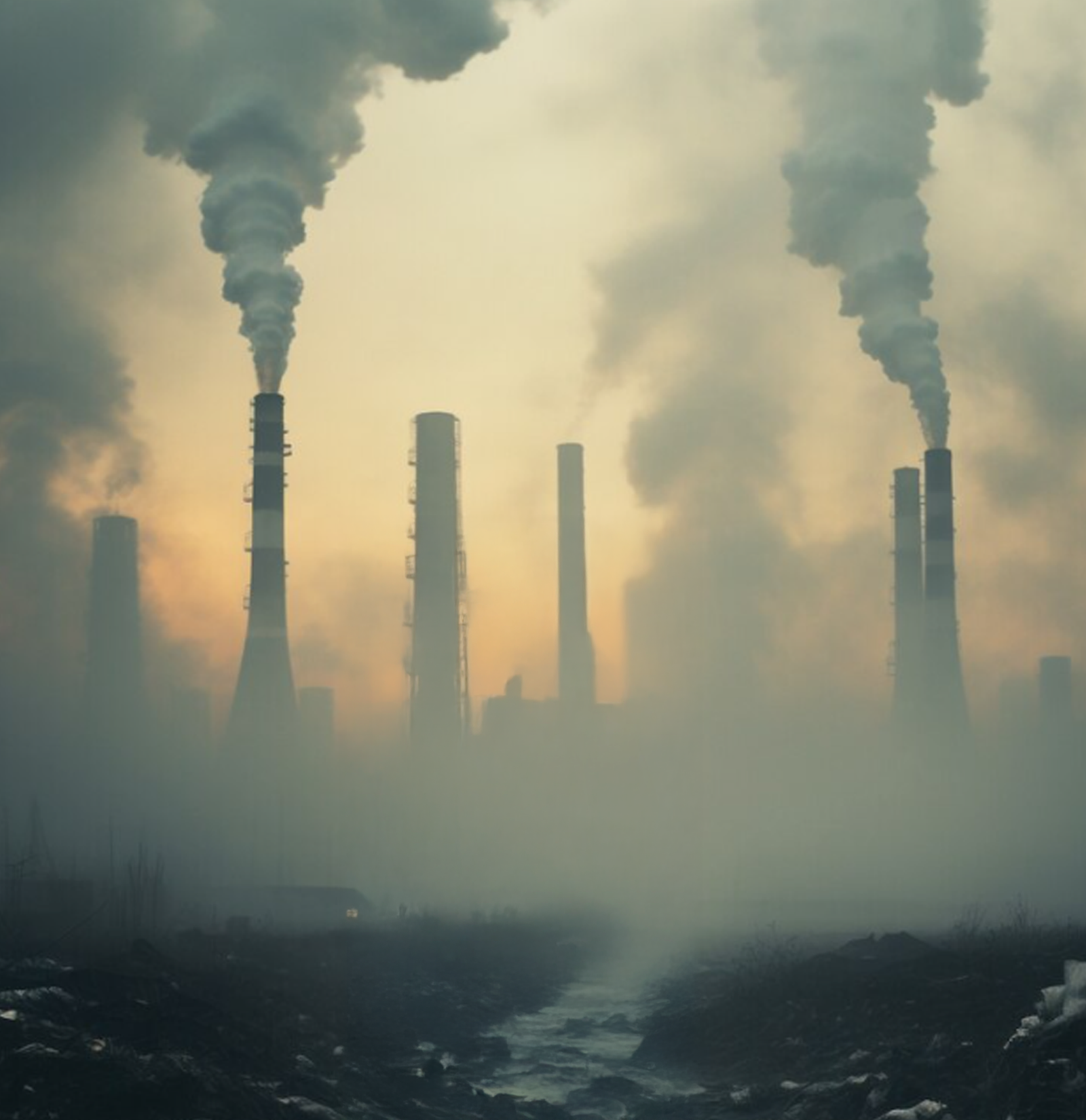


When iron is left out in the open, oxygen and moisture slowly turn it into reddish-brown rust until the metal crumbles. A similar process of destruction happens inside the human body when it is under constant attack from polluted air. Scientists call it oxidative stress.
What rust teaches us
Iron (Fe) + Oxygen (O₂) + Moisture (H₂O) = Iron Oxide (Fe₂O₃), or rust. This process, known as oxidation, destroys the structural integrity of metal tools, vehicles and buildings over time.
The body uses oxidation every day to produce energy and fight infection. The problem starts when oxidation runs out of control.
Free radicals and ROS
Pollutants change the chemistry of the air and of our bodies by creating free radicals: unstable molecules with an unpaired electron that react with whatever they touch. A common type is ROS (Reactive Oxygen Species), which the body also produces naturally in small amounts.
Inhaled particles, ozone, VOCs and heavy metals trigger biochemical reactions that produce extra ROS inside the body. Some pollutants even carry free radicals on their surface.

When the balance tips
Oxidative stress is a physiological imbalance. It occurs when there are too many oxidants (free radicals) and not enough antioxidants to neutralise them. The body’s defences, including the antioxidants in the fluid lining the lungs, are overwhelmed.
This imbalance leads to cellular deterioration, similar to how rust eats away at metal. It can damage DNA, proteins and the fats in cell membranes, trigger inflammation and contribute to tissue damage.
Beyond the lungs
Coughing and eye irritation are only the visible tip of the iceberg. Peer-reviewed scientific studies link oxidative stress to over 200 chronic diseases, including heart disease, lung conditions, neurological disorders and degenerative diseases. It is not just a respiratory issue; it is a systemic health concern.
India’s exposure makes this especially urgent. Delhi’s peak PM2.5 levels often exceed 500 µg/m³, against a WHO guideline of 5 µg/m³ for the annual average.

Why a daily respite matters
You shower every day, not because it stops you getting dirty, but because it washes off the dirt that clings to you. Clean air works in a similar way. A respite of a few hours every day from the continuous chemical assault supports the body’s natural repair and resilience mechanisms during that period.
Sleeping, working or exercising in an isolated, filtered, fresh-air environment such as the AIRSHIP limits the body’s exposure to the free radicals in the air outside. It does not scrub off the pollutants already absorbed, but it gives a period of respite, slowing the pollutant assault. Learn more on our Science of Air Pollution page.
This article is for general information and is not medical advice. The AIRSHIP is not a medical device and does not treat or cure any disease.
Want to know how the AIRSHIP creates a pollution-free space at home?
Arrange your exclusive consultationSources
- FIRS Review via PubMed Central / State of Global Air Report
- European Journal of Medicinal Chemistry, Volume 290, 2025
- Nature / PMC 5-Year Delhi Exposure Assessment
- WHO Global Air Quality Guidelines